A wastewater treatment plant (WWTP) is a facility that cleans used water from homes, businesses, and industries using physical, chemical, and biological processes. It removes pollutants and contaminants to produce cleaner water that can be safely returned to the environment or reused, crucial for water pollution control.
Key Stages of Wastewater Treatment:
Preliminary Treatment: Removes large solid materials, such as rags, sticks, and plastics, using screens and grit chambers to protect equipment.
Primary Treatment: Uses settling tanks (clarifiers) to allow heavy organic solids to settle to the bottom as sludge, while oils and grease float to the surface to be skimmed off.
Secondary Treatment: Uses microorganisms (bacteria) in aeration tanks or trickling filters to decompose organic matter remaining in the water.
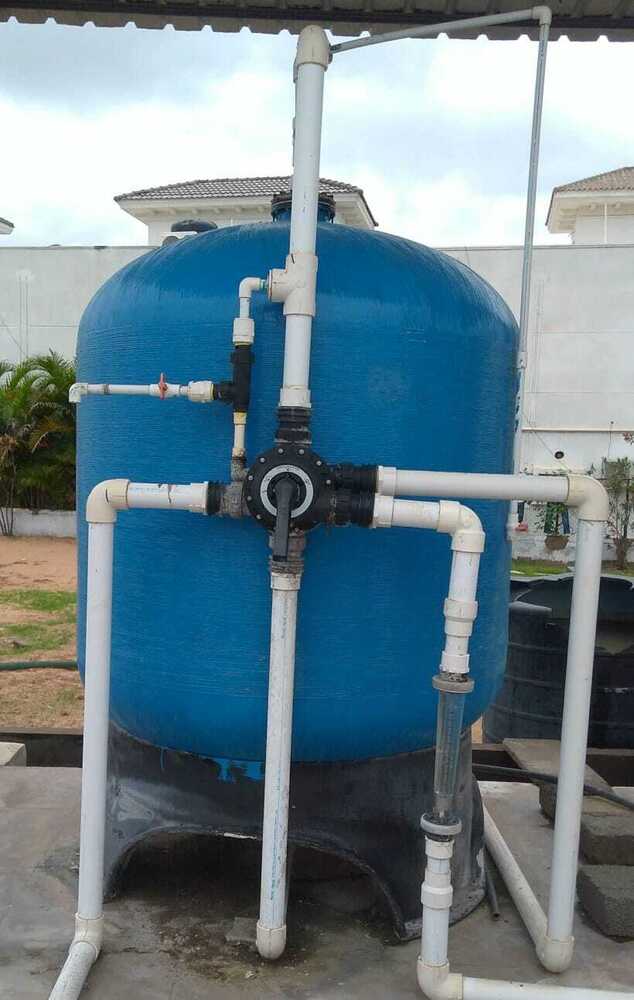
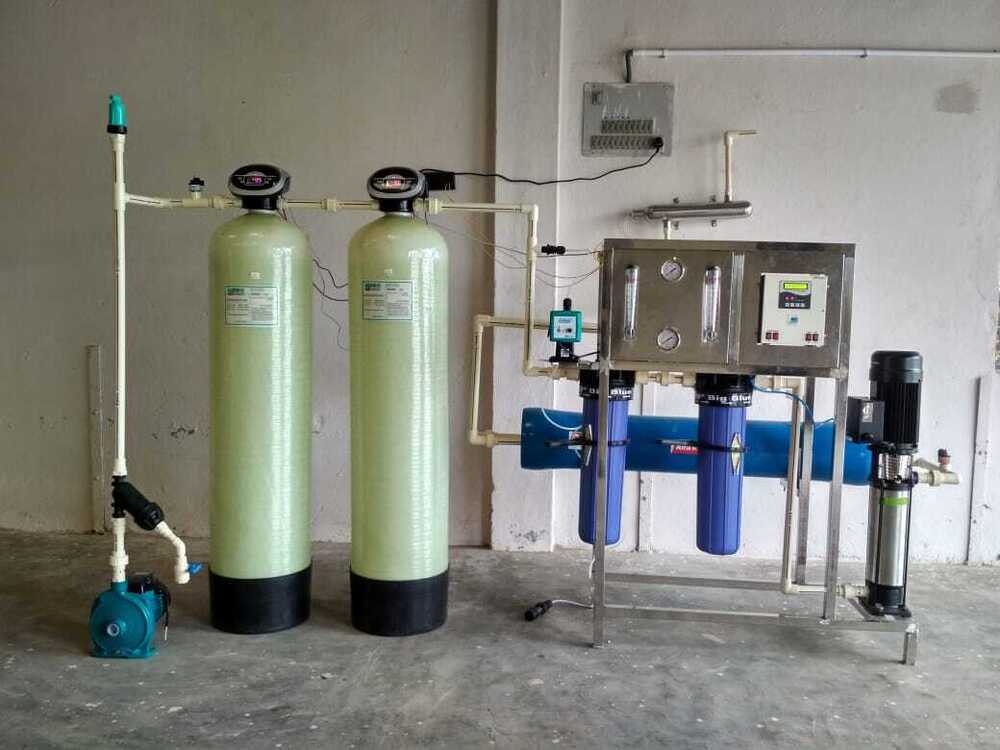
Tertiary/Advanced Treatment: Further cleans the water using processes like filtration, nutrient removal (nitrogen/phosphorus), and disinfection (chlorine or UV) to ensure safety before discharge.
Sludge Treatment: The settled sludge is treated, often through anaerobic digestion, to reduce volume and produce fertilizer or bioga
These plants can achieve over 90% efficiency in removing contaminants, including microplastics
Customizable Capacity for Various Applications
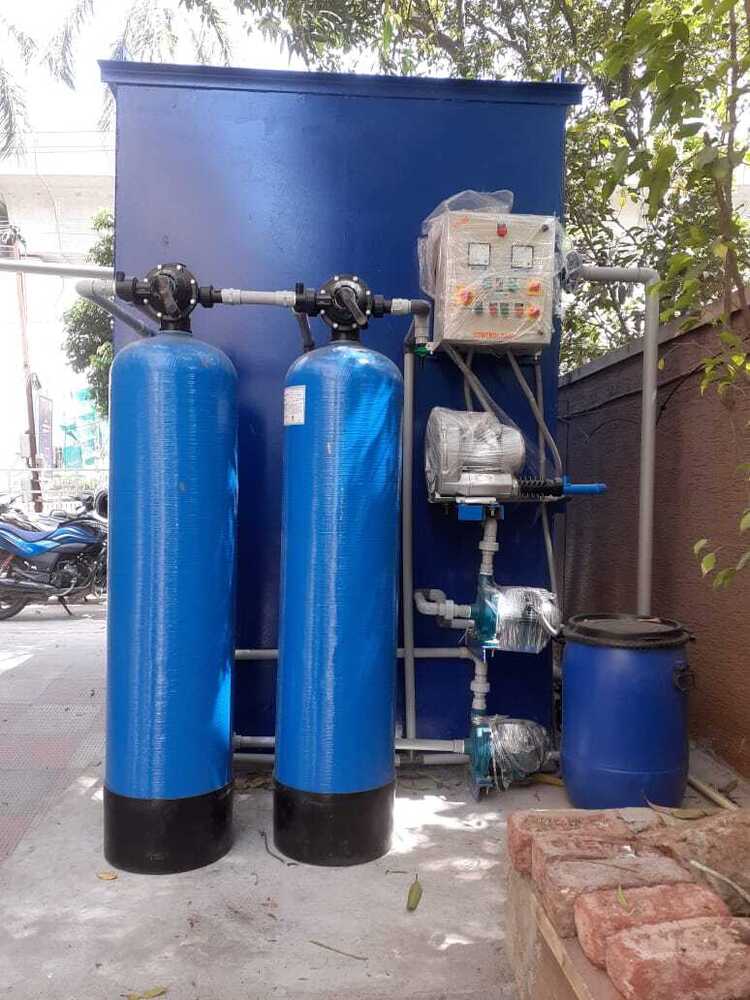
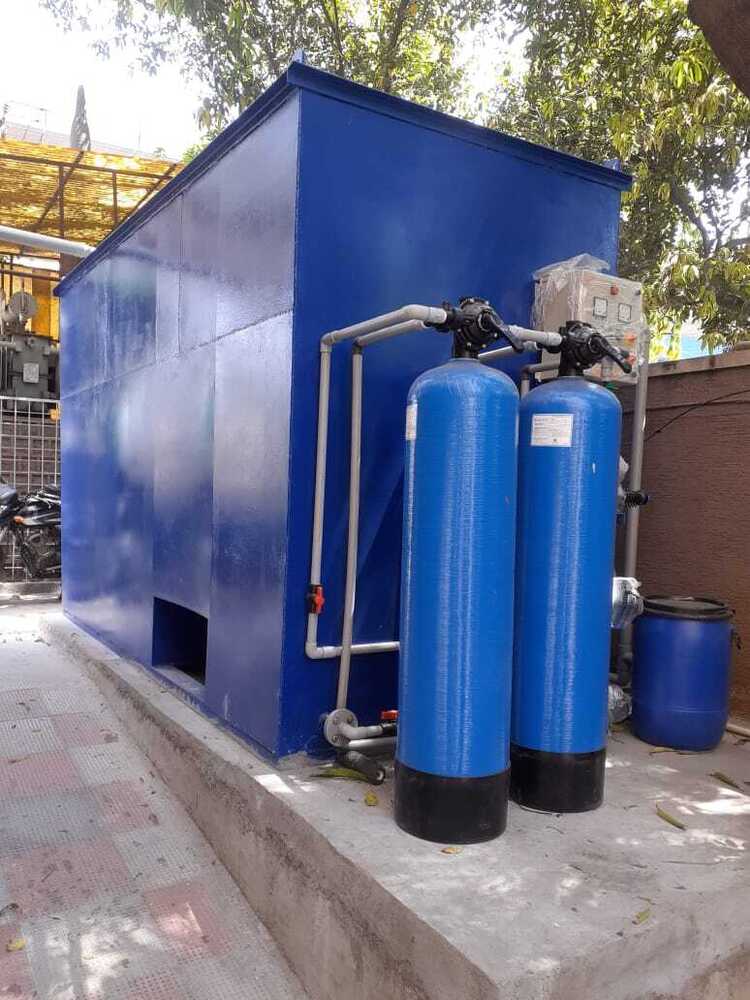
Designed to meet the specific requirements of different sectors, our wastewater treatment plants come in capacities ranging from 10 KLD to 500 KLD and above. The flexible design can accommodate variable flow rates and storage capacities, making it an ideal choice for industries, municipalities, residential complexes, and hospitals.
Advanced Treatment Technologies
Utilizing leading-edge technologies such as MBR, MBBR, SBR, and conventional ASP, our systems are equipped for advanced biological, physical, and chemical treatment. This multi-stage approach ensures optimal contaminant removal and consistently delivers water quality that meets or exceeds regulatory standards.
Durable and Efficient Construction
The treatment units are constructed using high-grade stainless steel and coated with epoxy or anti-corrosive finishes. Integrated sludge management, noise control below 65 dB(A), and robust components like air blowers and solenoid/butterfly valves guarantee reliability, long life, and low maintenance requirements.
FAQ's of Waste Water Treatment plant:
Q: How does the wastewater treatment plant ensure compliance with CPCB, BIS, and ISO standards?
A: The system is designed and operated as per Central Pollution Control Board (CPCB), Bureau of Indian Standards (BIS), and ISO guidelines, incorporating features such as advanced BOD reduction (below 20 mg/l), integrated sludge handling, and regulated pH levels to consistently meet regulatory requirements.
Q: What processes are utilized for effective water purification in this plant?
A: Our plants use a combination of biological, physical, and chemical treatment processes, including MBR, MBBR, SBR, or conventional ASP technologies tailored to the application. These processes effectively treat industrial effluents or domestic sewage, ensuring safe and high-quality water output.
Q: When should maintenance be scheduled for the automated wastewater plant?
A: Routine maintenance intervals depend on the operation mode and application but typically involve monthly inspections and preventive maintenance, with immediate support available through our onsite and remote technical assistance services.
Q: Where can this wastewater treatment system be installed?
A: Units are available for prefabricated or on-site installation and can be mounted in skid, containerized, or civil structures. They are suitable for industrial, municipal, residential, and hospital environments, with configurations customized for each site's needs.
Q: What are the main benefits of using this advanced wastewater treatment solution?
A: Key benefits include significant BOD reduction, efficient integrated sludge management, customizable flow rates, energy efficiency, corrosion resistance, low noise emission, and full compliance with Indian and international standards, along with robust technical support.
Q: How is sludge managed within the system?
A: The integrated sludge handling system ensures effective collection, dewatering, and safe disposal or reuse of sludge generated during treatment, supporting a cleaner and more sustainable operation.
Tell us about your requirement
Price:
Quantity
Select Unit
50
100
200
250
500
1000+
Additional detail
Mobile number
Email
Name
Comapny Name
Phone Number
Email Id
City / State
Confirm Your Requirement
Verification Code
Did not receive yet?
Resend OTP
You’re Done!
We have received your requirements and will reply shortly with the best price.







 Send Inquiry
 Send Inquiry
 Send SMS
 Call Me Free
 English
 Spanish
 French
 German
 Italian
 Chinese (Simplified)
 Japanese
 Korean
 Arabic
 Portuguese